

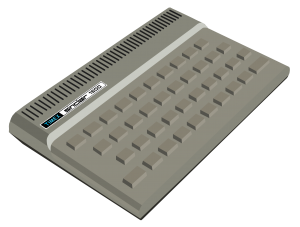
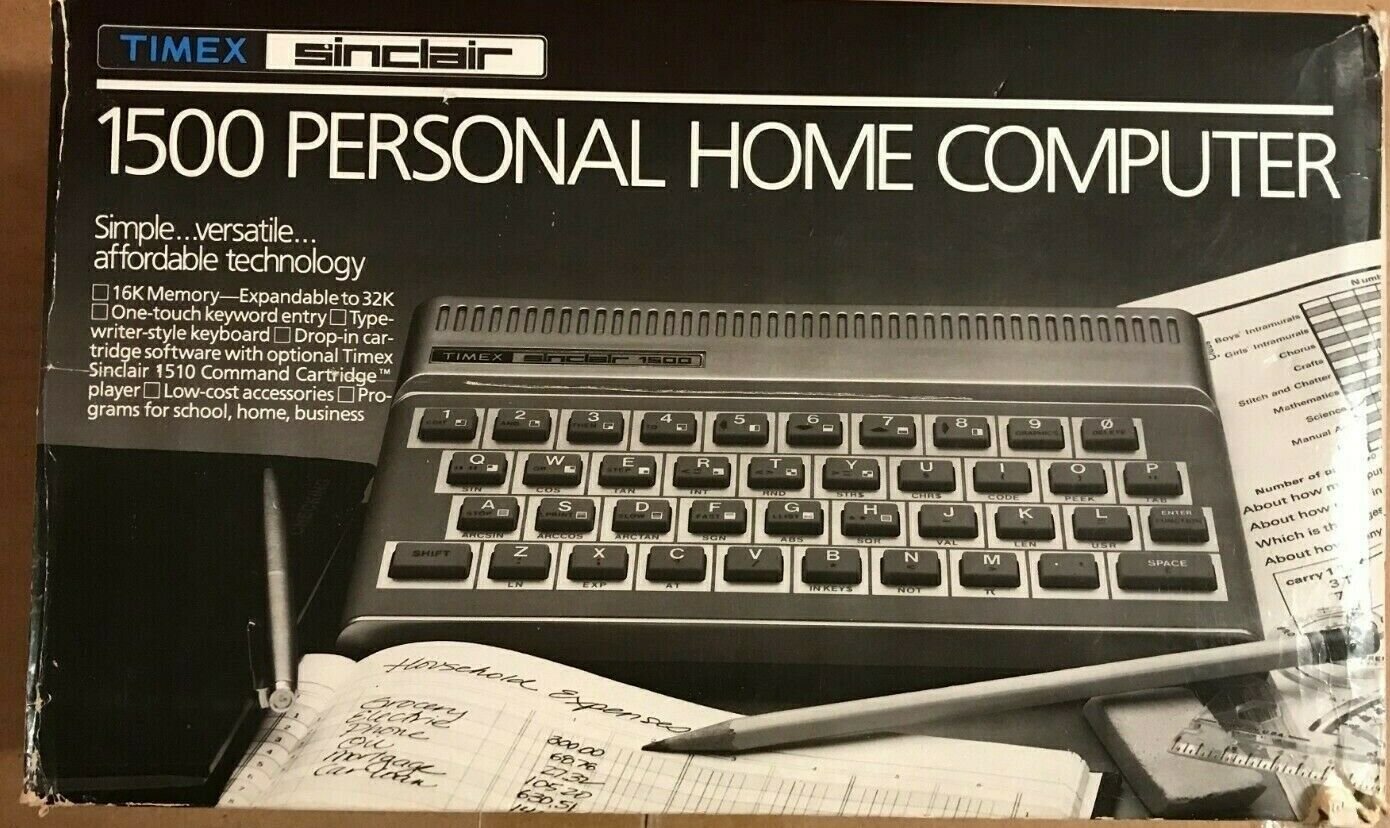
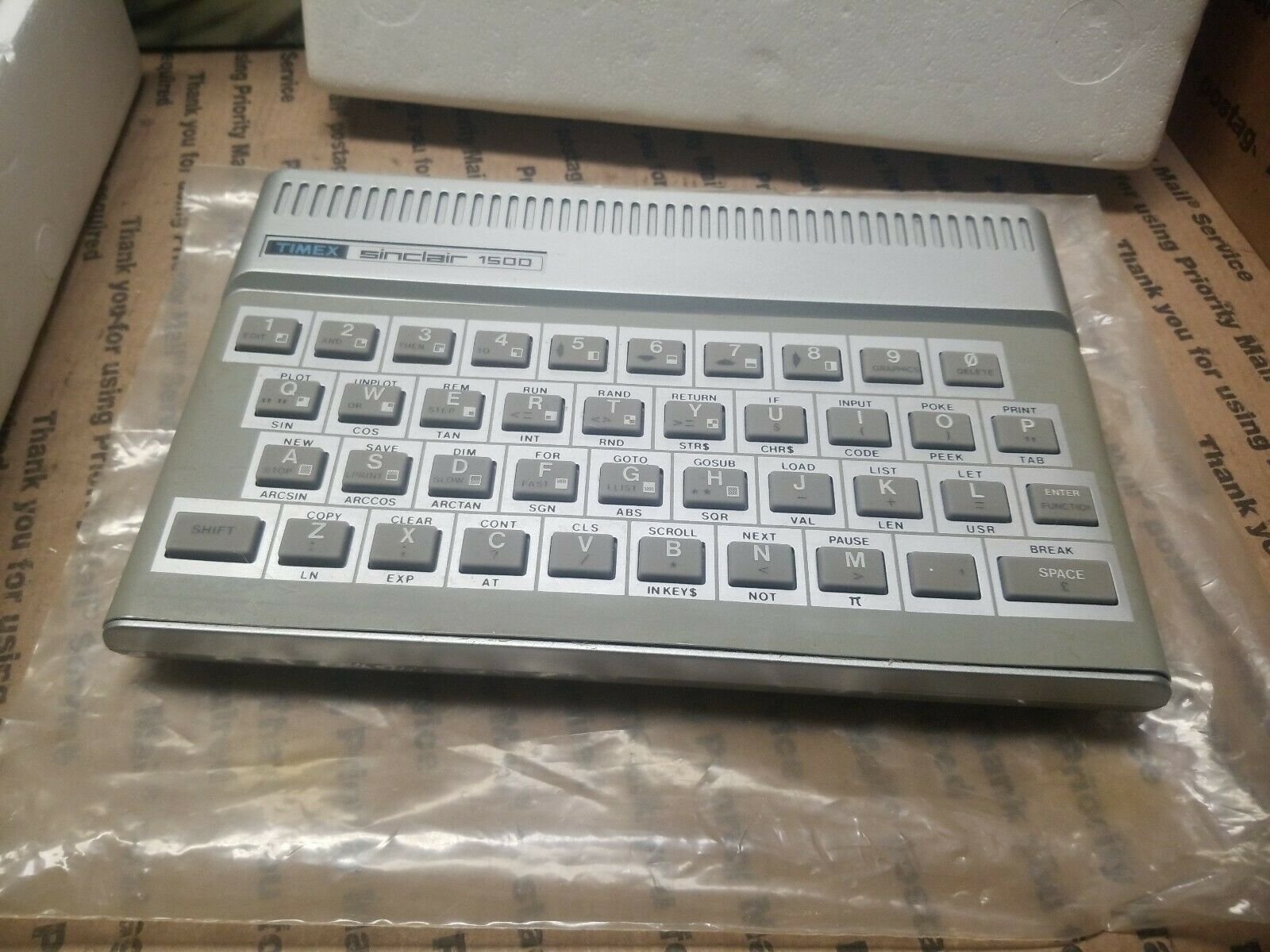
The Timex/Sinclair 1500 was designed to expand on the base established by the TS1000 and continue serving the same audiences around computer literacy and education. It corrected several significant problems with the 1000: the membrane keyboard, RAM pack wobble, and tape load/save reliability.
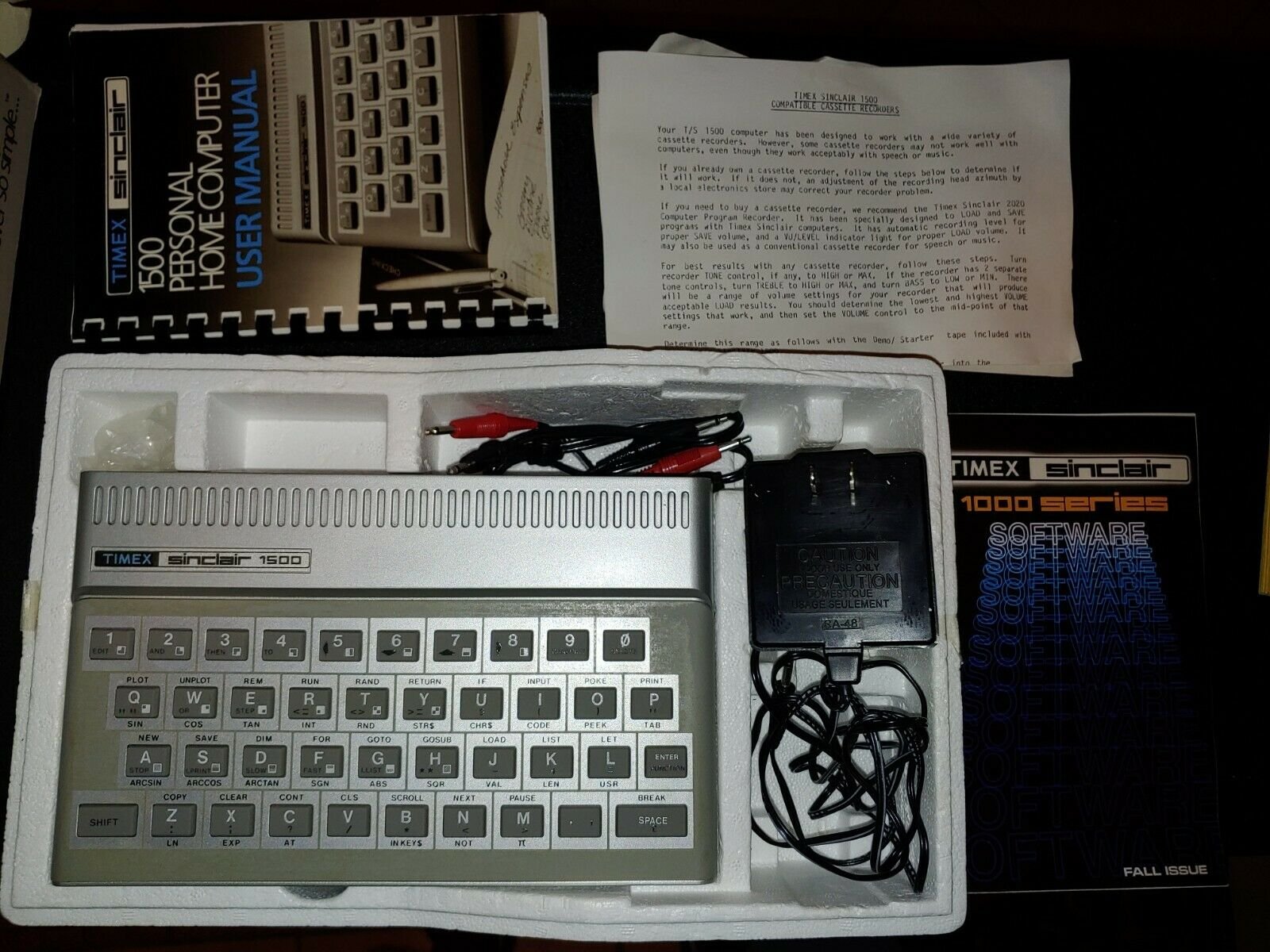
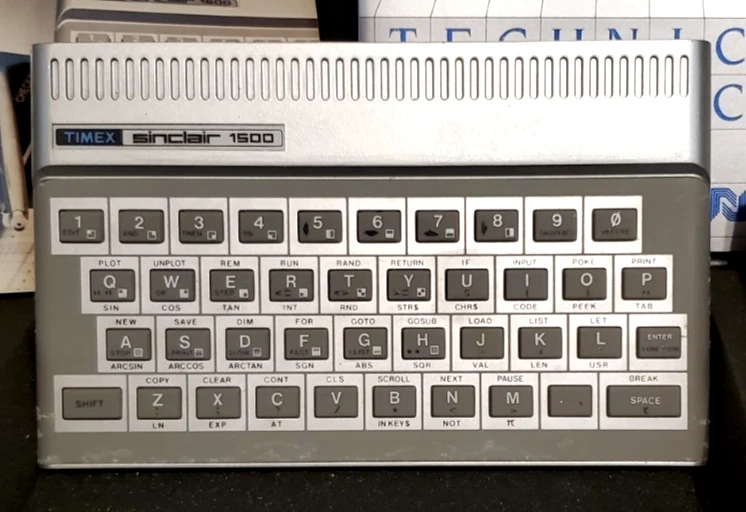
Announced May 17, 1983, the 1500 used the case and keyboard of the Sinclair ZX Spectrum fitted with a redesigned circuit board carrying 16K of built-in RAM. Timex targeted a July launch. Manufacturing delays at the Timex factory at Quinta dos Medronheiros, Lazarim, Caparica, Portugal pushed the actual launch to September. The initial retail price was $79.99. Timex simultaneously lowered the TS1000 price to $49.95.
Development
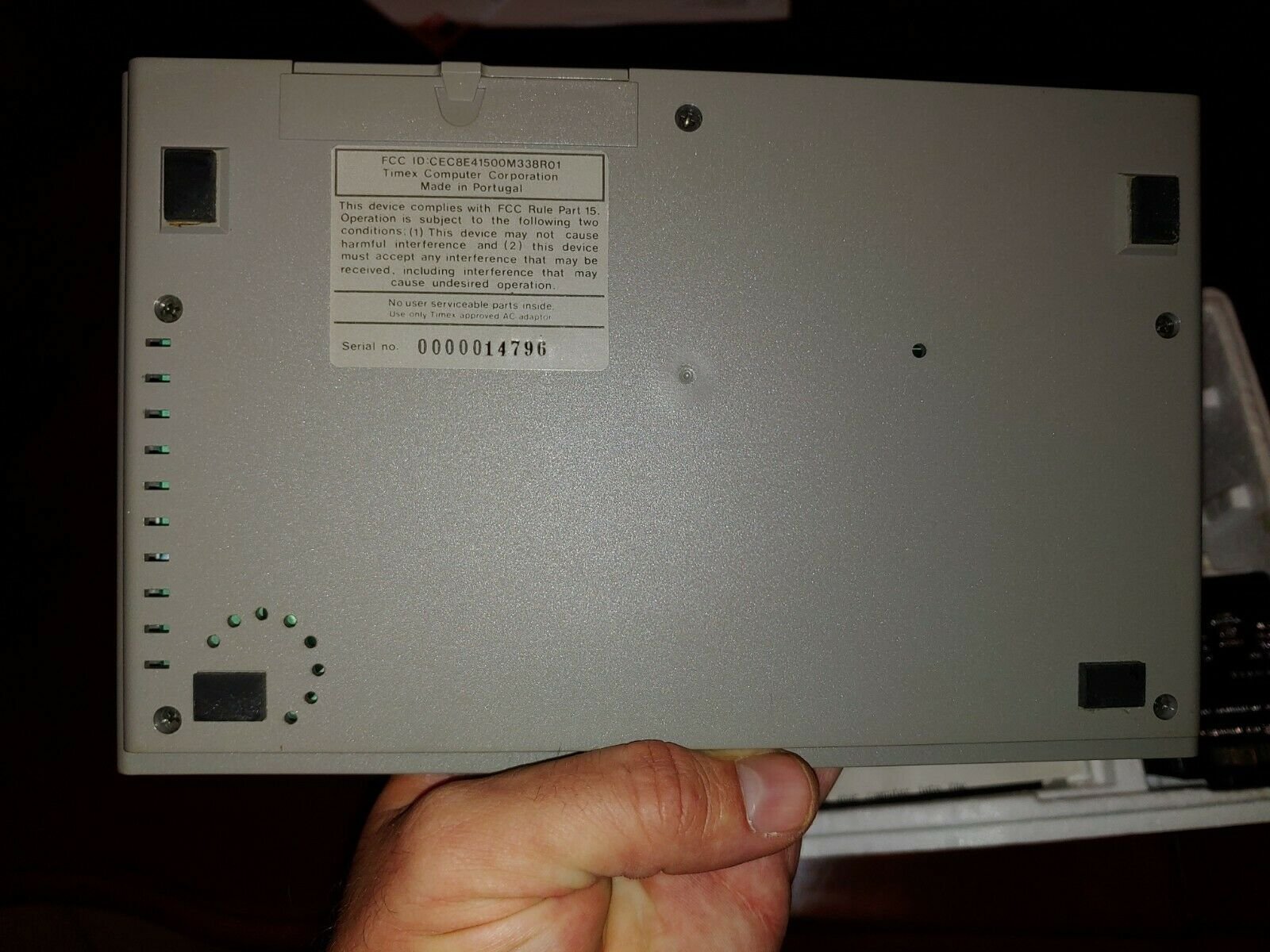
The 1500 was developed collaboratively between Timex Computer Corporation’s engineering team in Middlebury, Connecticut and the engineering team at the Timex factory in Portugal. Middlebury designed the custom NCR logic chip and the modified ROM. Portugal proposed the Spectrum-style case and keyboard, handled all manufacturing, and managed FCC certification. The Spectrum case proposal was a significant departure from Middlebury’s original concept, which was a silver-painted TS1000 case on a slightly enlarged circuit board.
Every TS1500 ever sold was manufactured at the Portugal facility.
Hardware Changes
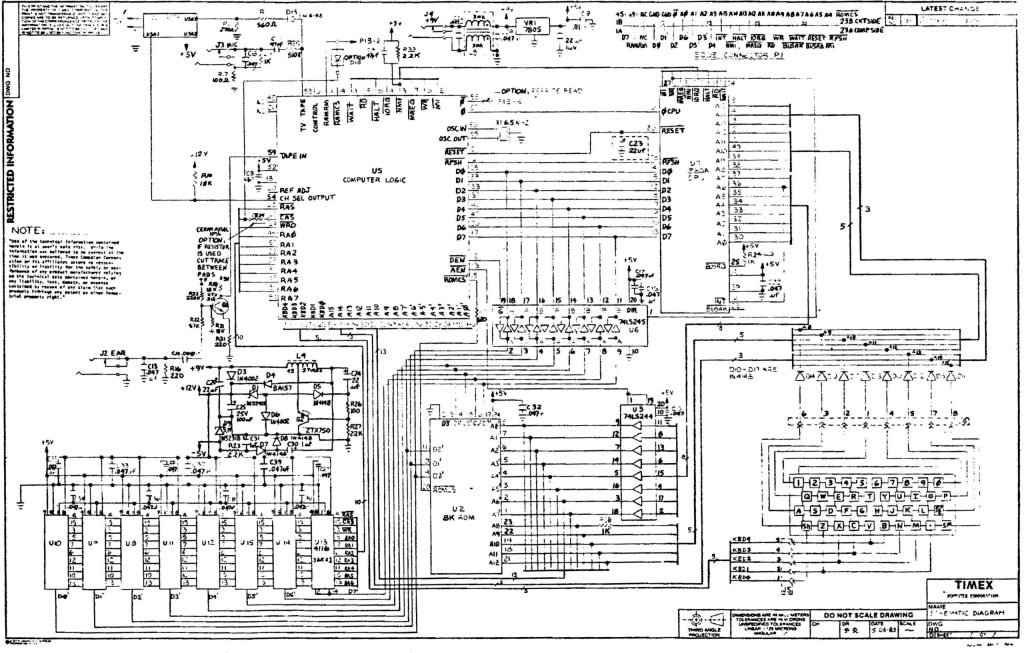
The TS1000 circuit board was redesigned to fit the ZX Spectrum case and keyboard connectors. The Ferranti ULA used in the ZX81 and TS1000 was replaced with a 68-pin custom logic chip produced by NCR. The new chip required less power, improved display quality, and reduced spurious RFI emissions, lowering overall heat output compared to the ZX81/TS1000.
Other hardware changes included:
- ROM properly decoded to the lowest 8K, eliminating the “ghost” images present on the TS1000
- 16K RAM built in, expandable to 32K with compatible 16K RAM packs
- Key-selectable TV channel (channel 2 default; press 3 at power-up to select channel 3)
- Rearranged edge connector, power, and cassette connectors
The edge connector changes created RAM pack compatibility problems. Timex changed a signal on the connector, and even with an extender card, a number of third-party packs would not work. The rearranged power and cassette connectors physically prevented longer units, such as Memotech’s, from connecting. A few POKEs are required for the system to recognize additional RAM from compatible packs.
The Sinclair Timex User Group of the Boston Computer Society reported that Timex claimed the 1500 would have “8-bit bank switching to give 64 megabytes of addressability.” This claim is not supported by internal documentation.
ROM Changes and Bugs
Programmer Will Collum modified the original TS1000/ZX81 ROM to support the TS1510 cartridge player and corrected some pre-existing bugs in the Sinclair ROM. The revised ROM also introduced three new bugs:
- LOAD failures jumped to the middle of an instruction at 03E5h during initialization, corrupting memory and/or crashing the machine.
- The cartridge check routine assumed no RAM at address 2000h and could crash if that location held a 1.
- A very long program (approximately 16K) would push the display file to address 32767, causing the machine to report out of memory even with a RAM pack installed.
Cartridge System
Timex introduced the TS1510 cartridge player as an accessory to help the 1500 compete against video game systems and computers with cartridge support. A small number of cartridges were released. Cartridge-based software was priced between $13 and $30 depending on the complexity of the program.
Reception
The press and existing enthusiasts were largely puzzled. Timex Sinclair User ran a sidebar titled “Who Needs the Timex Sinclair 1500?” alongside their TS2068 preview; the answers, which the editors said took weeks to figure out, were unconvincing. Prices for the TI 99/4A and VIC-20 had already dropped below $100. The 1500 offered no color graphics in a market that had decided color was the baseline.
Softsync’s marketing director Ken Coach was direct: “Six months ago, it would have been great. Now, the moment has passed.” Wayne Green, publisher of several computing magazines, reported a “rising chorus of frustrated Timex users” telling friends not to spend money on Timex computers.
Timex remained publicly confident. Daniel Ross, Vice President of Timex Computer Corporation, said at the announcement: “We believe the many advanced features of the T/S 1500 will generate enthusiastic consumer and retailer response, as they did our Timex Sinclair 1000.”
Notable Uses
National Education Corporation
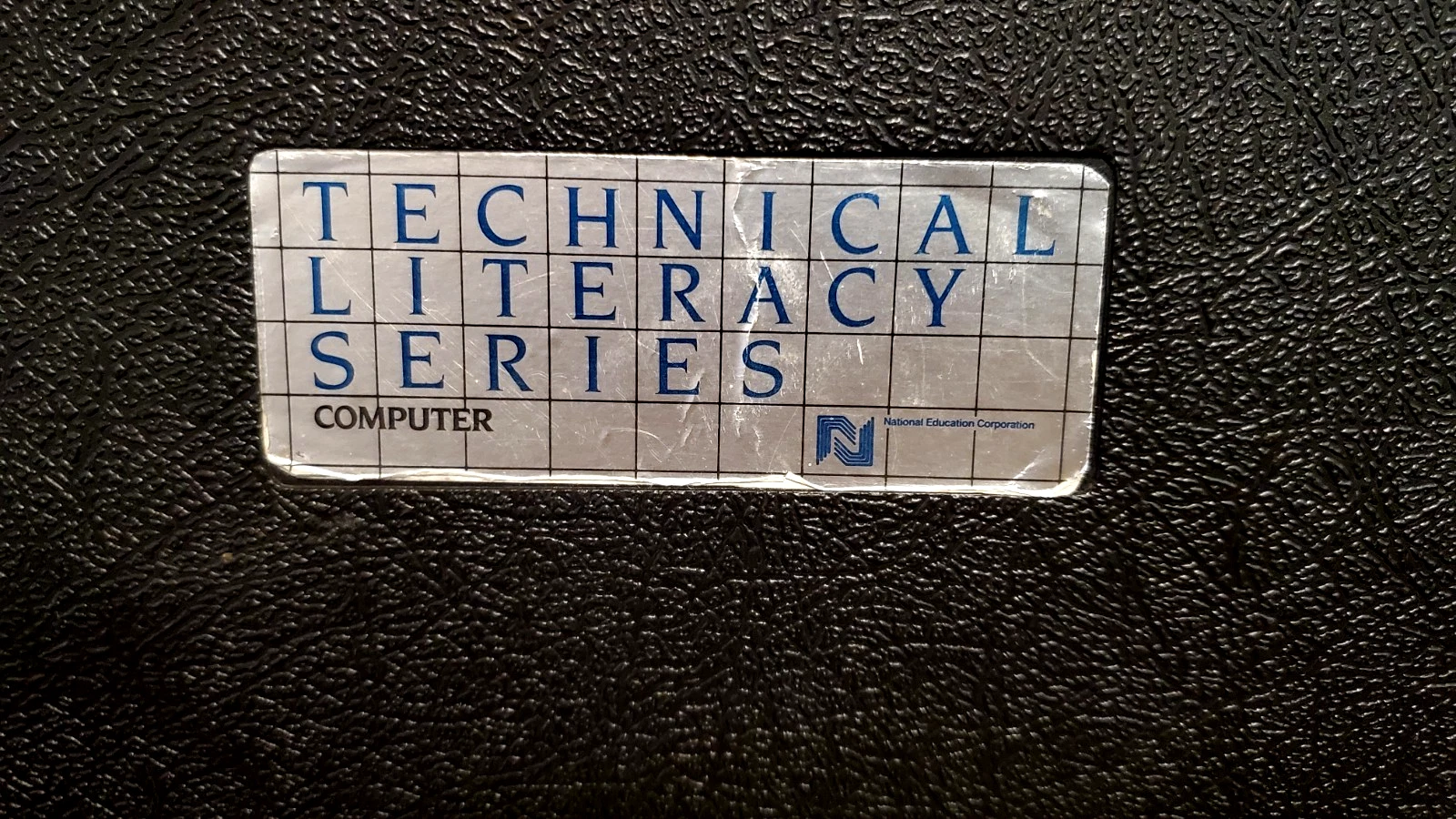
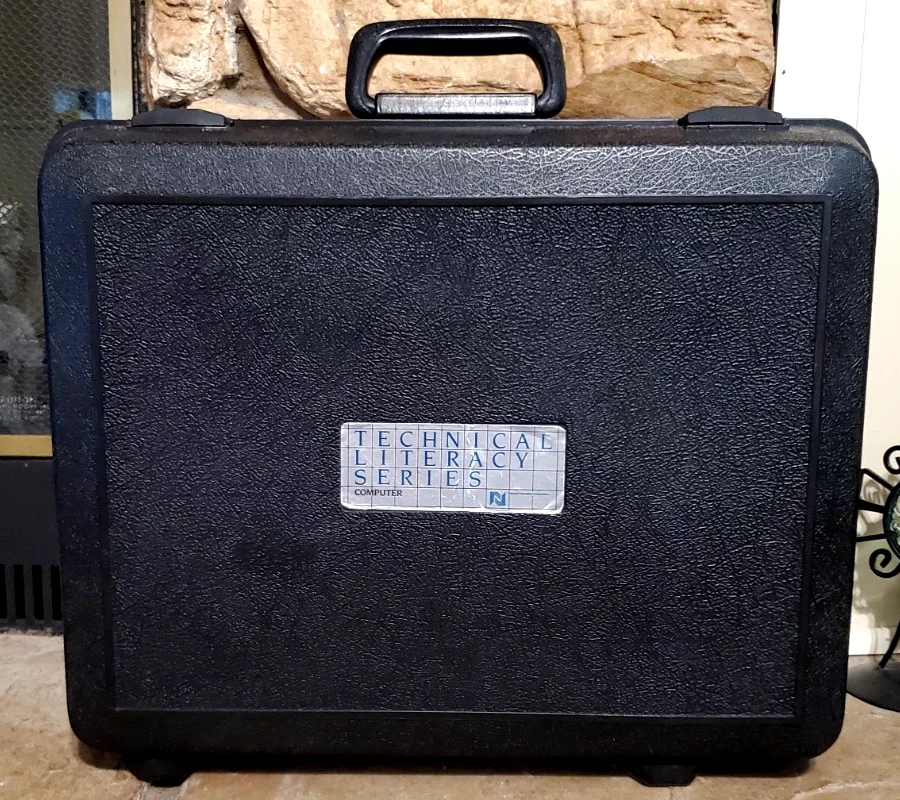
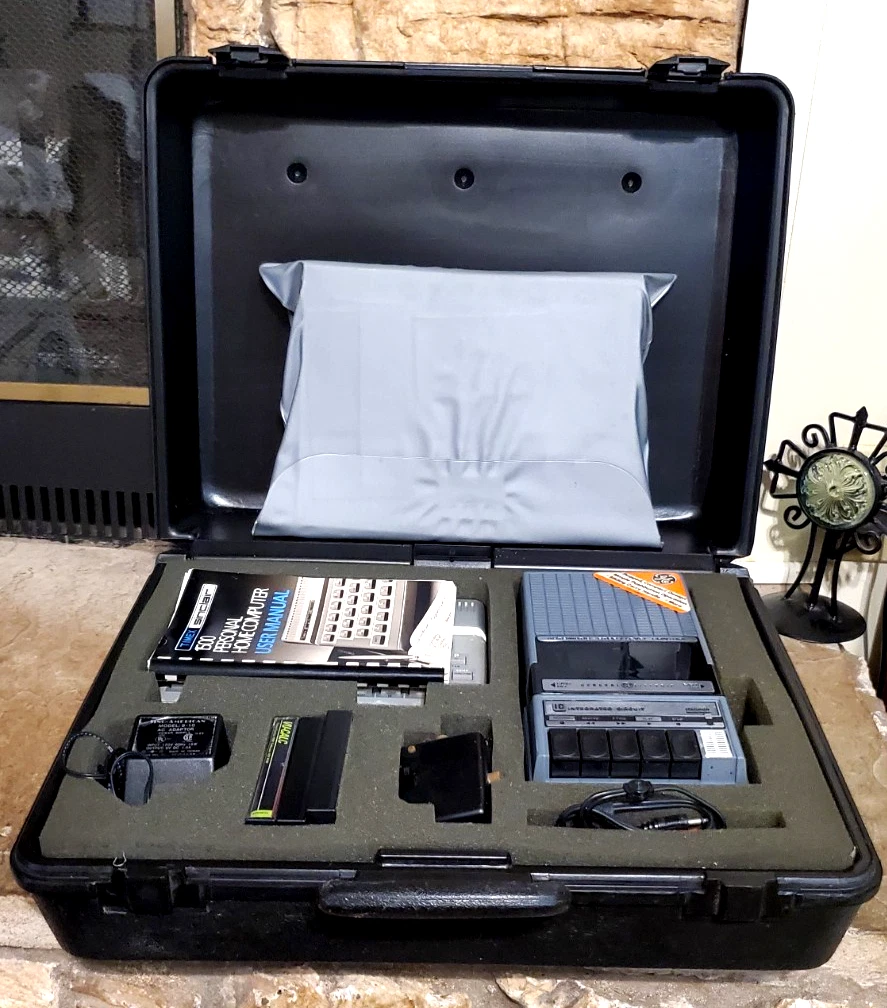
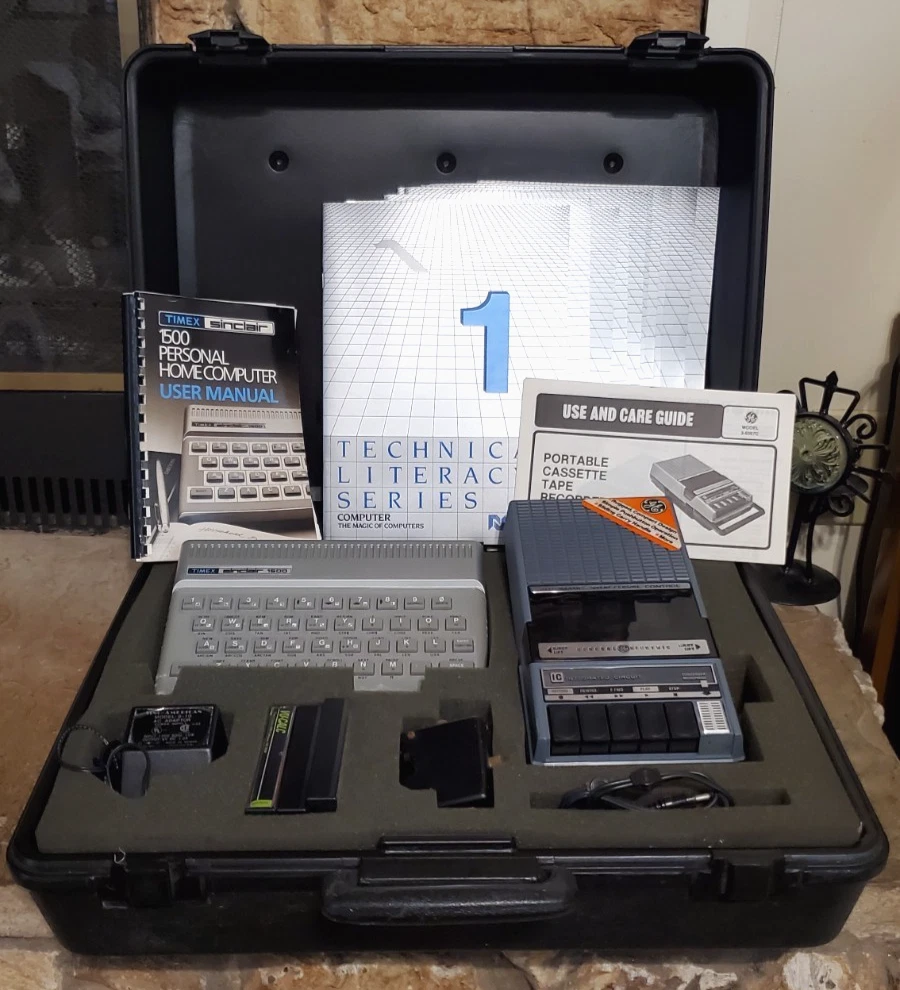
The 1500 was central to NEC’s Technical Literacy Series. The kit included the 1500, the TS2020 cassette recorder, eleven tutorial booklets, and a briefcase, and sold for $295.

Parker Electronics
Parker Electronics adapted the 1500 as the user interface for a Carrier Corporation HVAC controller.
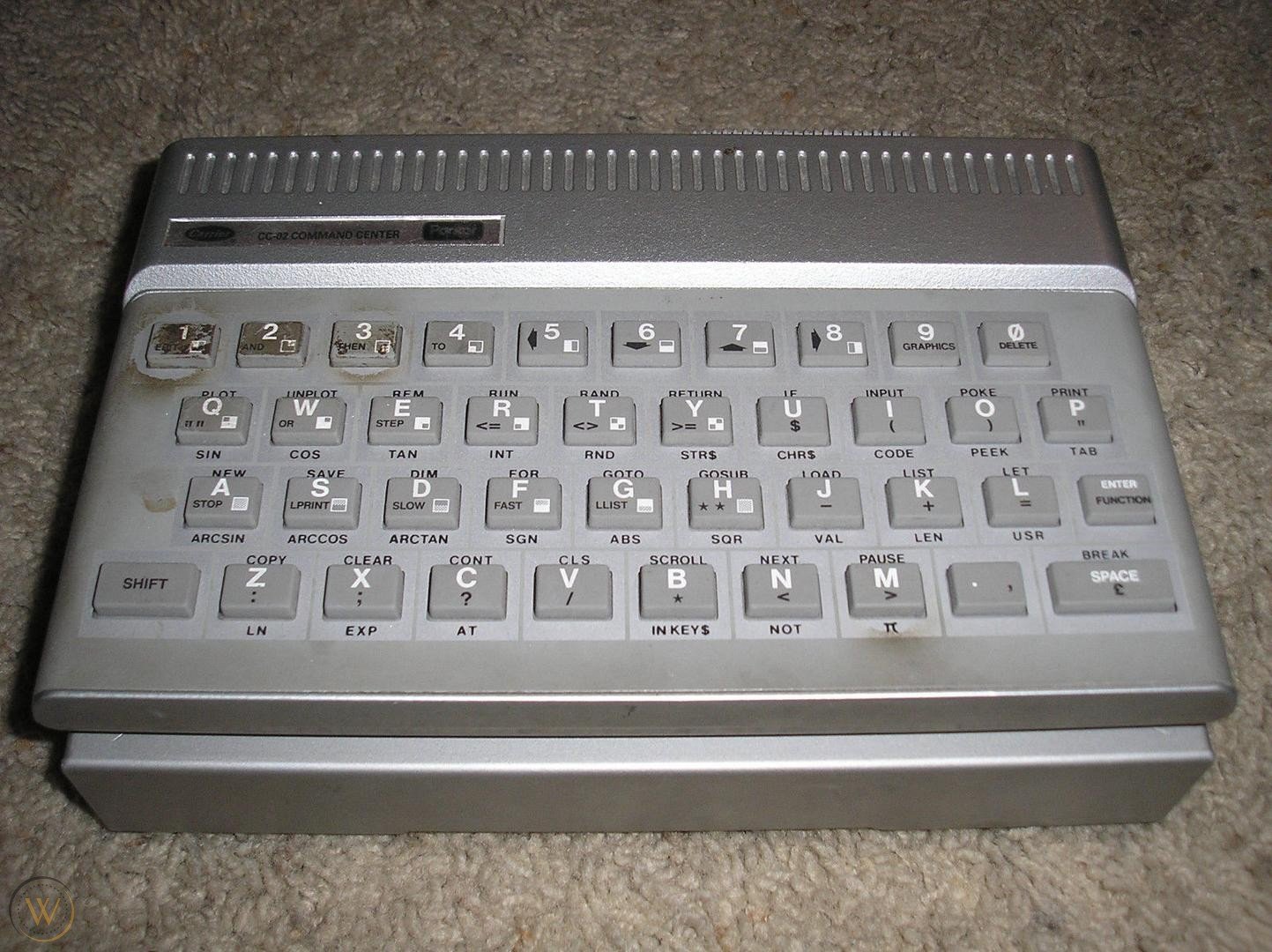
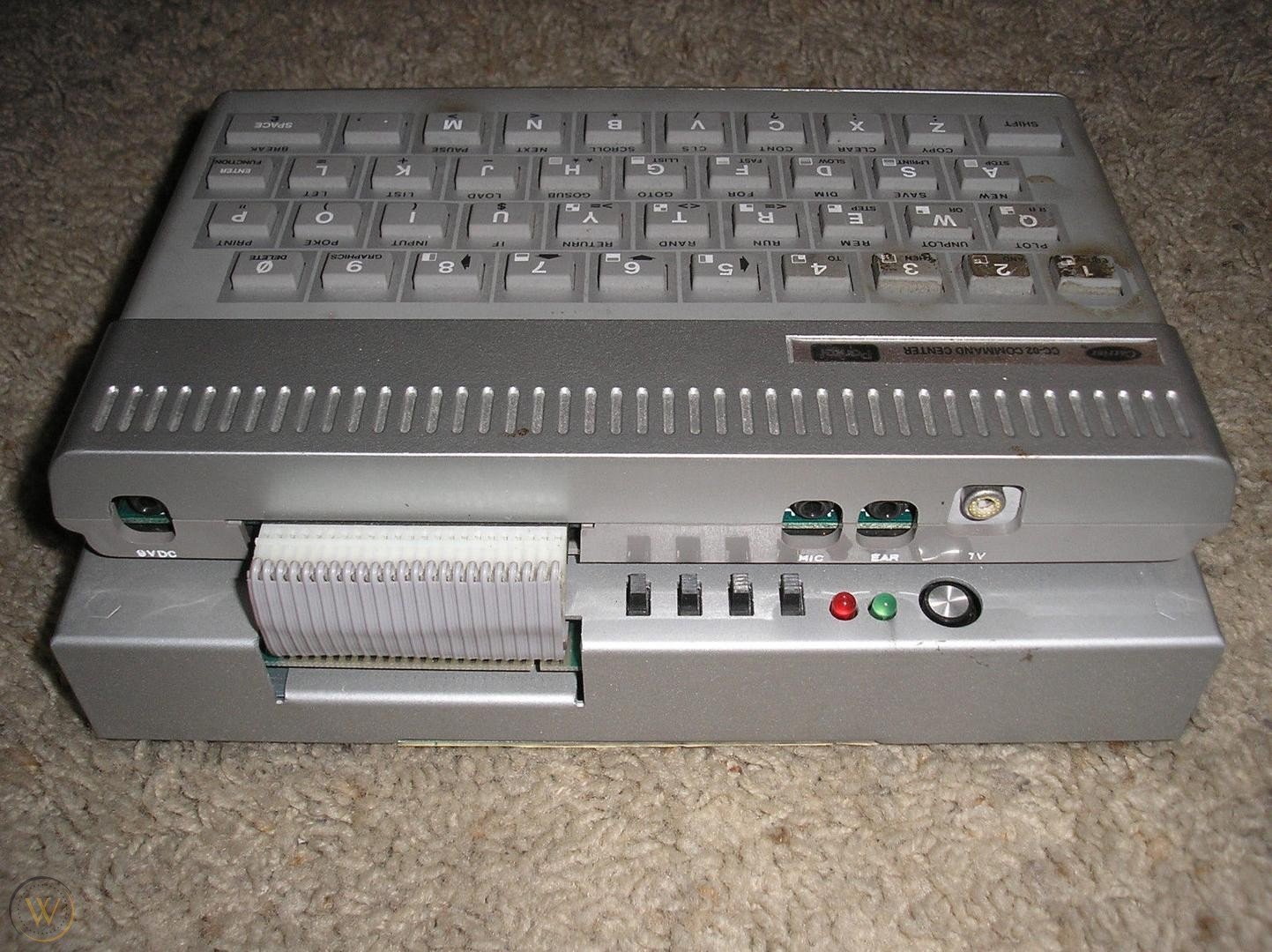
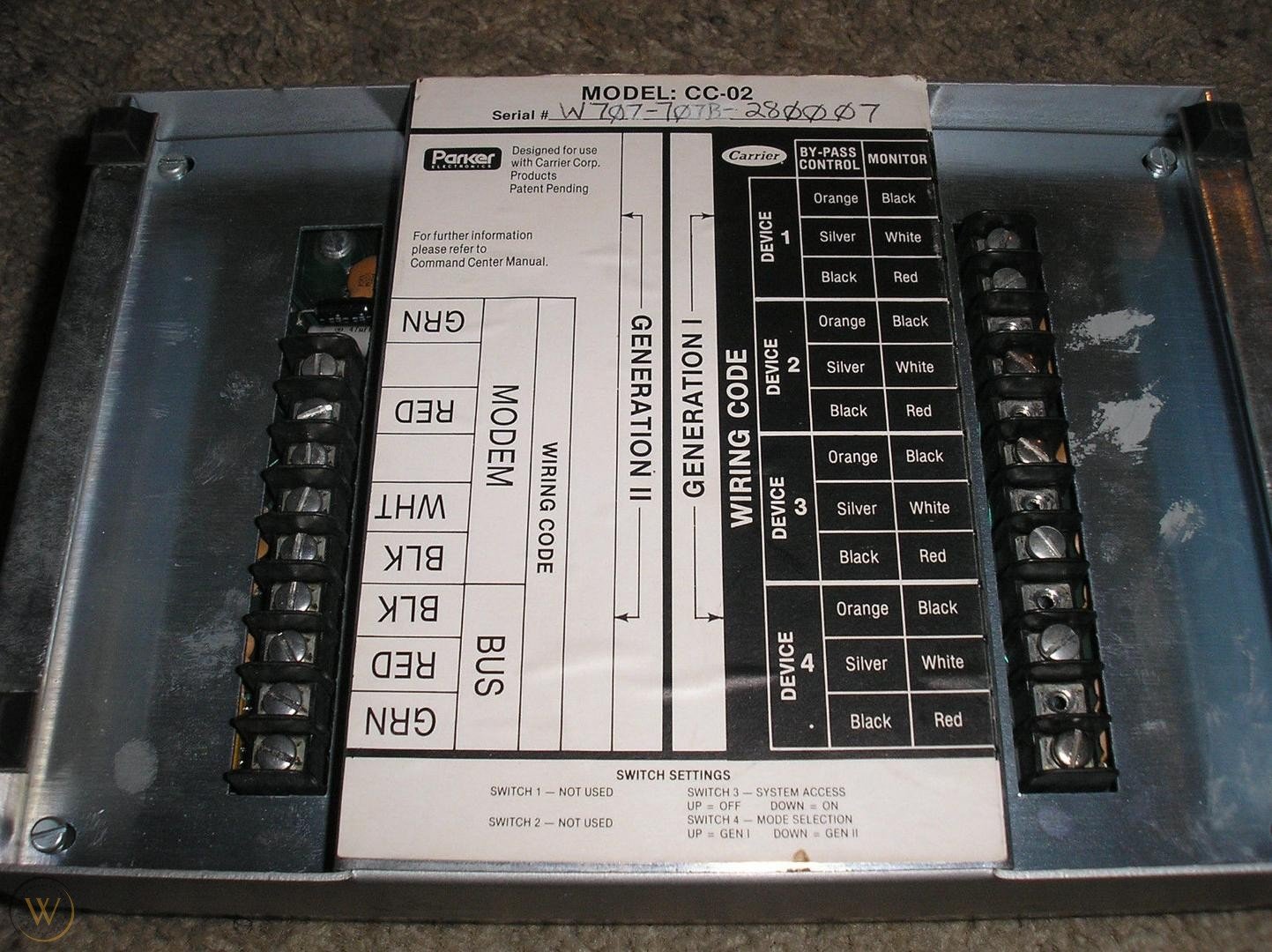
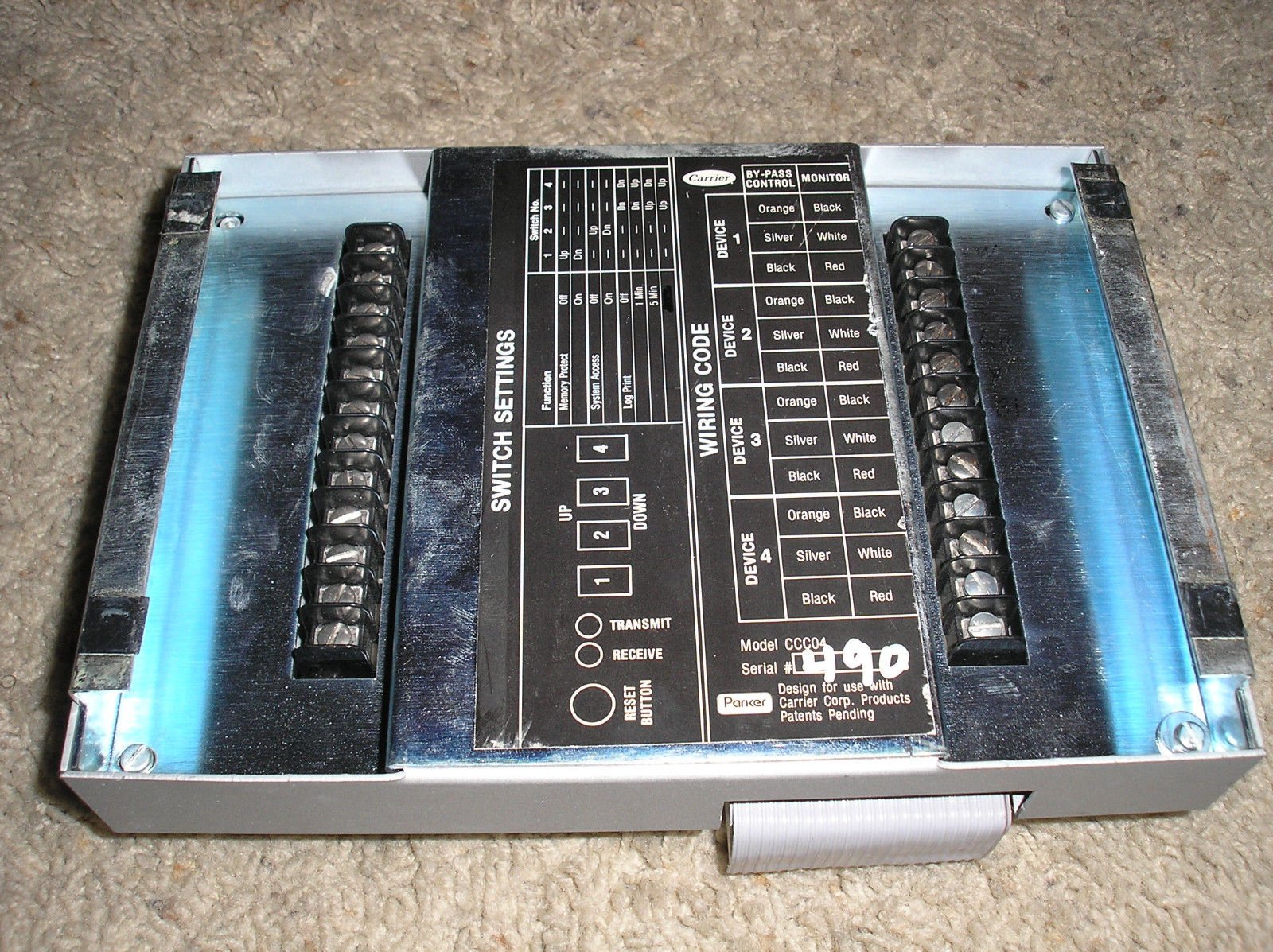
Image Gallery

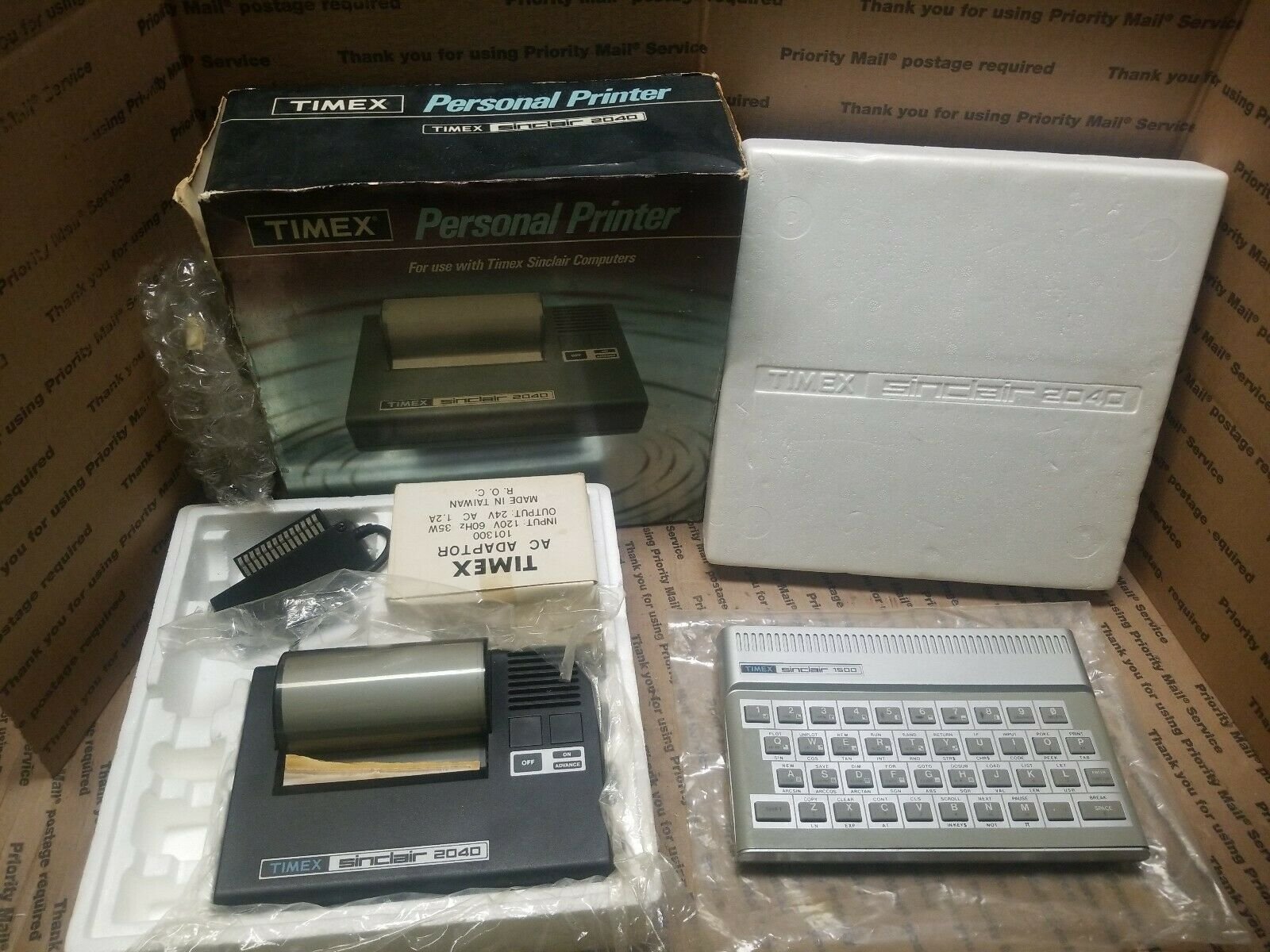
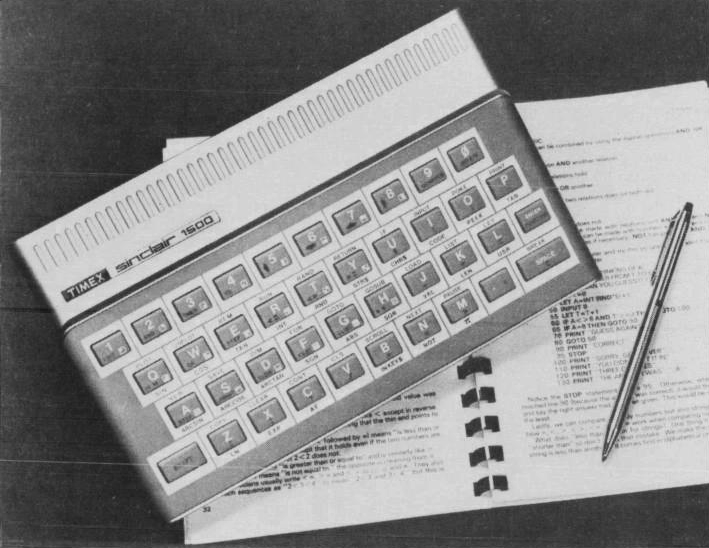
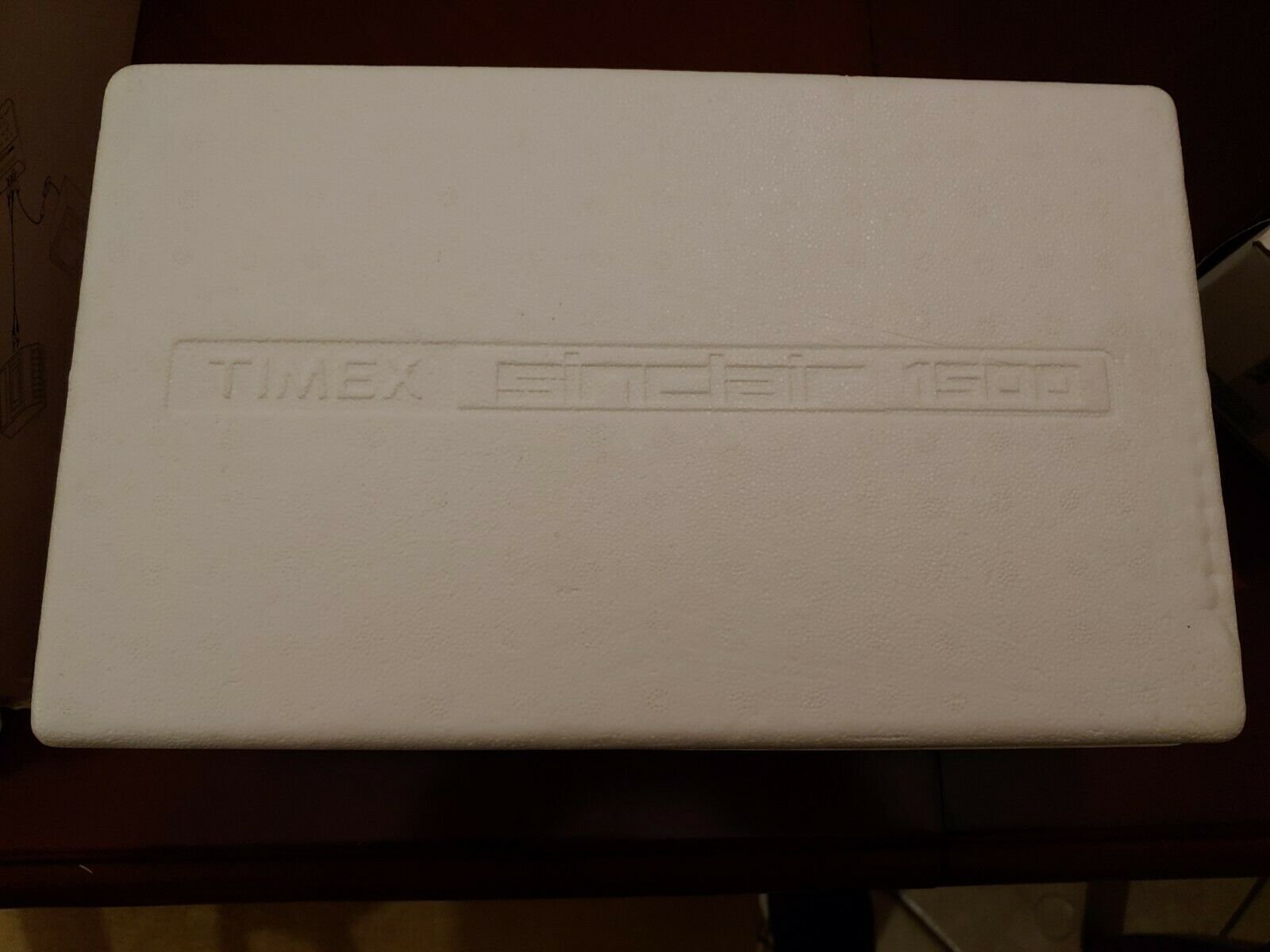
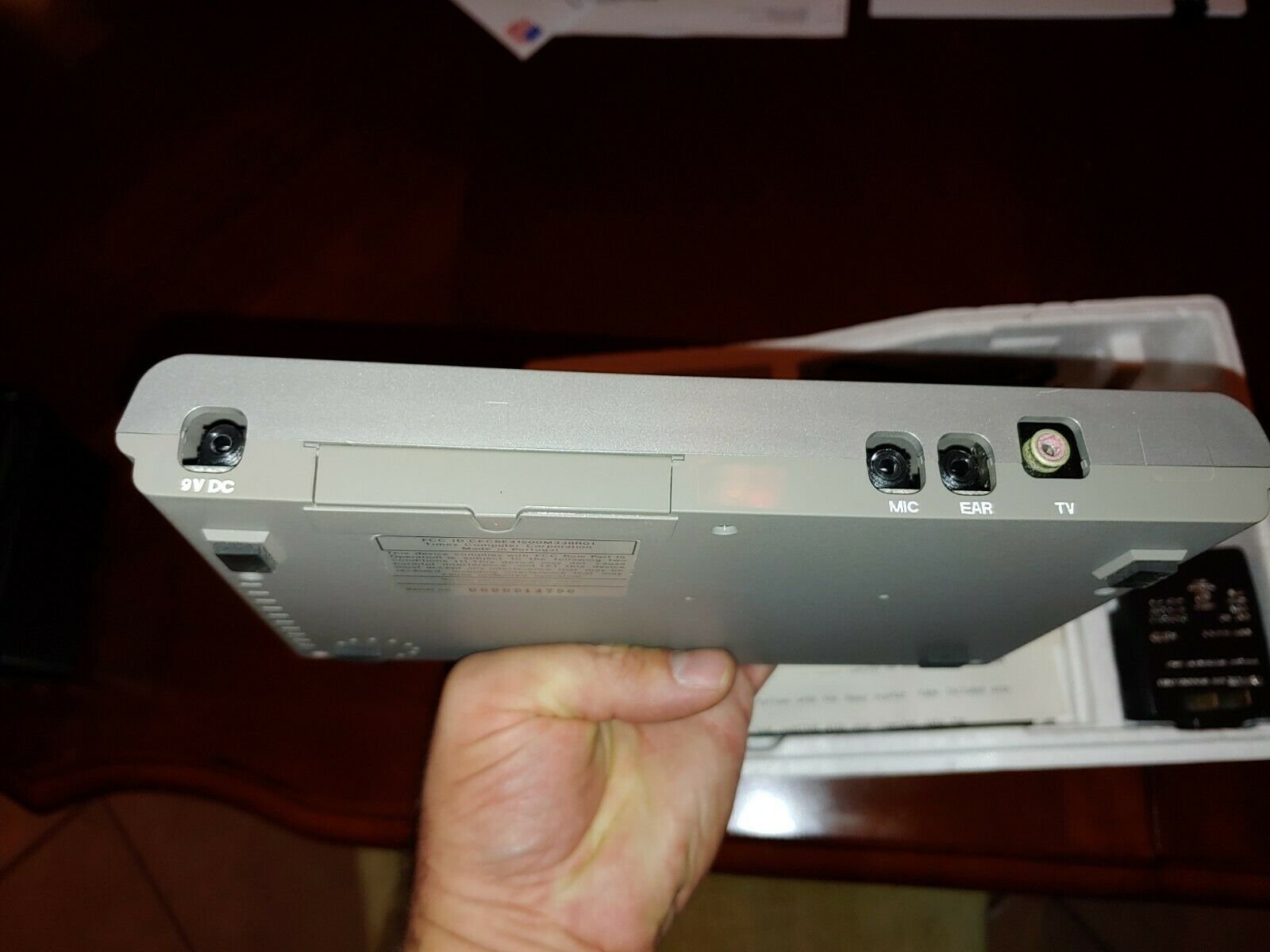
T/S 1500 Video Series
In 2023, Joao Diogo Ramos and David Anderson sat down, over the internet, and recorded a series of videos exploring the Timex/Sinclair 1500 through documentation preserved by the LOAD ZX Spectrum museum. The seven part series is an eye-opening view into the development process and Timex’s internal politics.