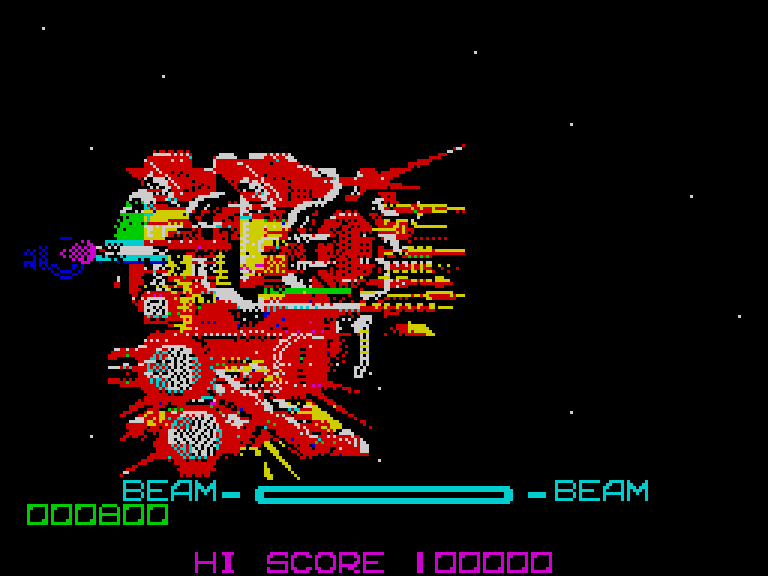
Jon Becker’s Year of TS 2068 Projects
Arcade ports, a word processor, a video codec, speech on the AY chip, CP/M and a diagnostic ROM: Jon Becker has had a busy 2026 on the TS 2068. A tour of his projects, and how he builds them.

The Authoritative Website for Timex/Sinclair Computers
Arcade ports, a word processor, a video codec, speech on the AY chip, CP/M and a diagnostic ROM: Jon Becker has had a busy 2026 on the TS 2068. A tour of his projects, and how he builds them.
The emulator behind this site’s Run in Browser button, a Sinclair QL emulator, and a browser re-creation of VU-3D: Josef Jelinek’s year of Timex/Sinclair work.
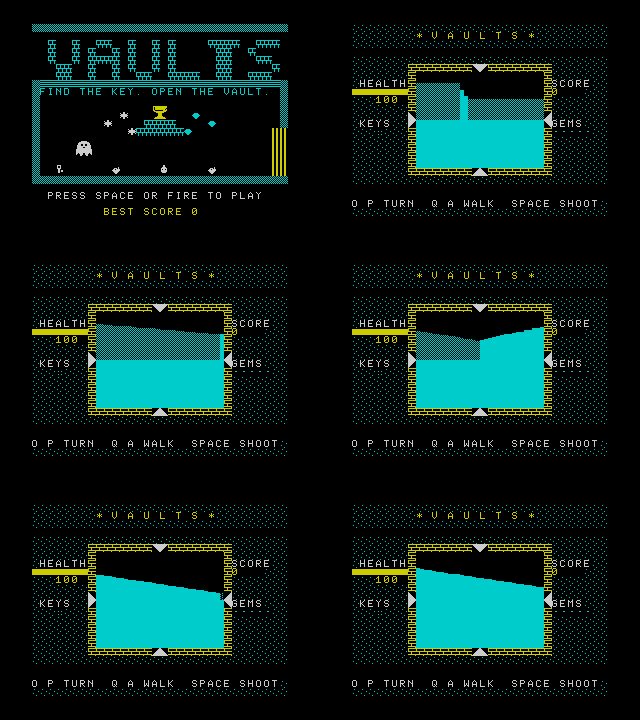
In under three months, Charlie Day has built a compiled BASIC, a Forth and a C compiler that each replace the TS 2068 ROMs, plus a browser IDE, a game maker and a graphical desktop. A tour of the Leap family and how the TS2068 group received it.
Charlie Day’s Leap: Three Languages, an IDE and a Desktop for the TS 2068Read More »
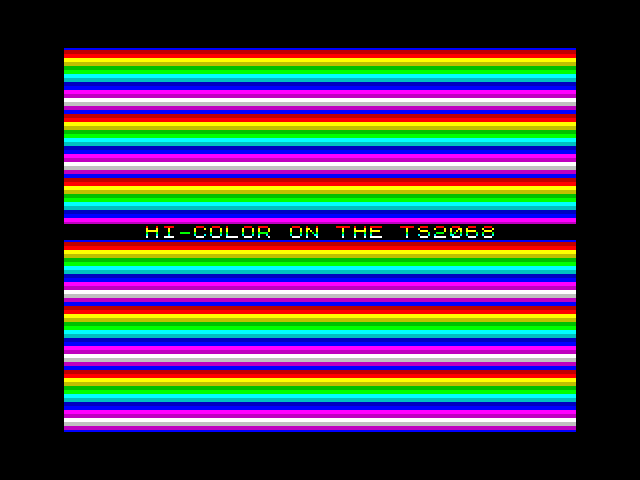
On a ZX Spectrum, color comes in 8×8 blocks: one ink and one paper for every character cell. That’s where color clash comes from. The TS 2068’s SCLD has a second way to color the screen, its hi-color mode, with one ink and one paper for every 8×1 strip of pixels.
Scrolling Color Bars in the TS 2068’s Hi-Color ModeRead More »

The ZX80 reached American readers in 1980, and the dedicated press arrived almost at once: Syntax began in 1980 alongside the ZX80, and SYNC followed in January 1981. Mainstream magazines like InfoWorld, Creative Computing, Compute! and Byte covered the machines too.
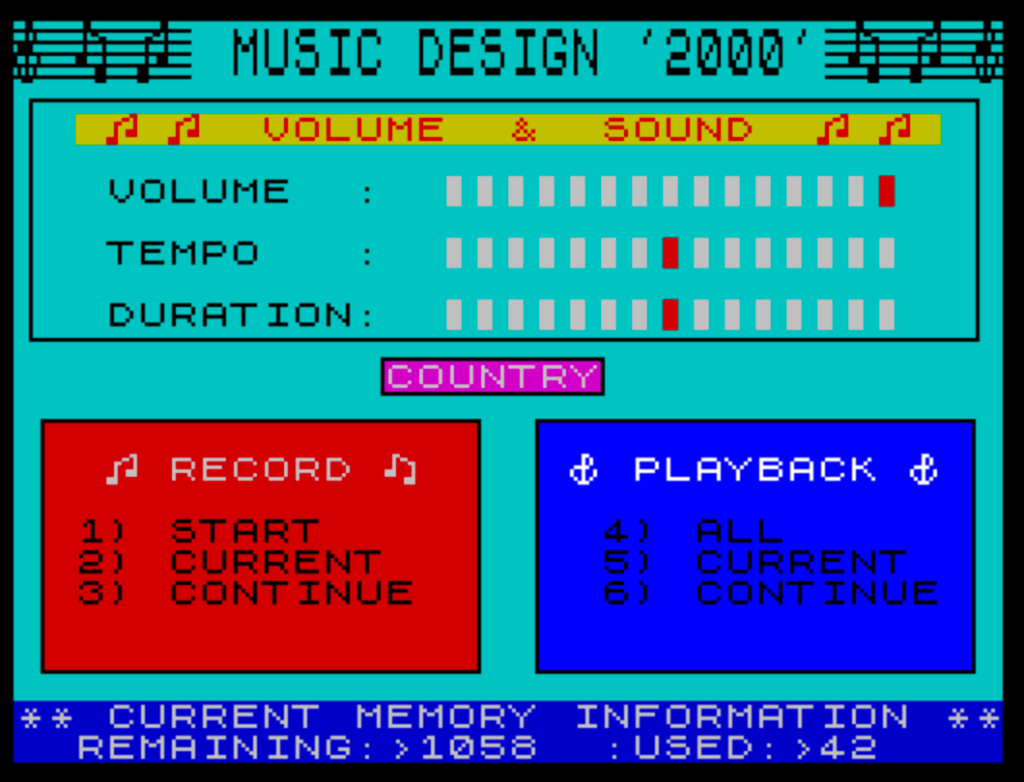
Eighty-one programs from the American and Canadian users of the TS2068: games, desktop publishing, music, languages, disk systems and bulletin boards, made for a computer whose maker left the market a few months after it went on sale.
Homegrown: North American software for the Timex/Sinclair 2068Read More »

Seventy-one programs written, sold and swapped by the American and Canadian users of the TS1000: games, graphics, music, tools and hardware projects that went well past what the little black computer was built to do.
Homegrown: North American software for the Timex/Sinclair 1000Read More »
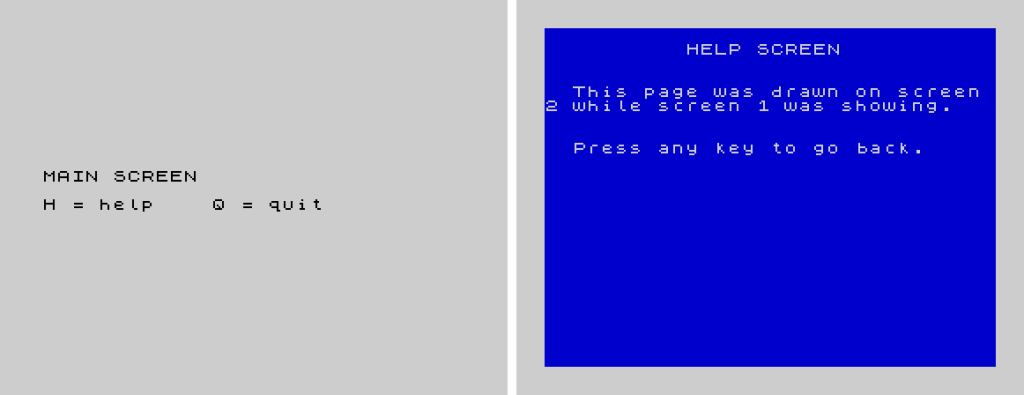
The TS2068 has a second display file at 24576 (6000h). The hardware can show it, the EXROM has a routine to open it, but BASIC has no way to write to it. Timex wrote a machine-code module to fill that gap.
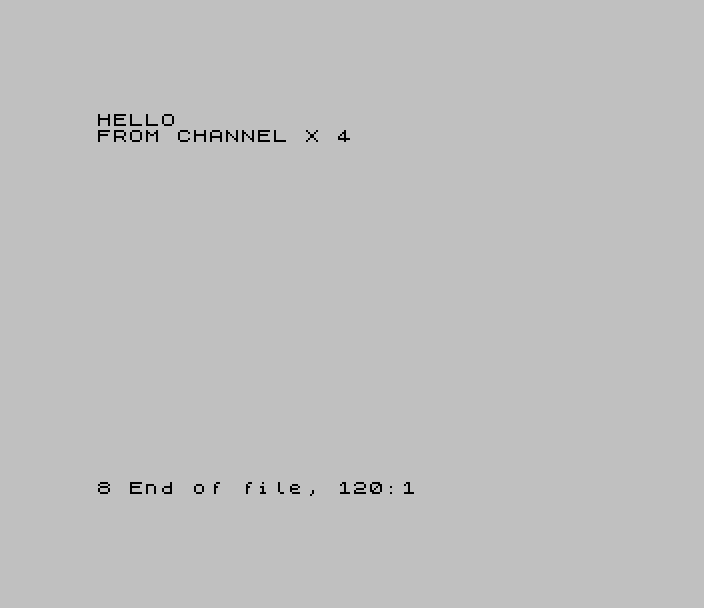
The TS-Pico, a Raspberry Pi Pico board that gives the 2068 an SD card, comes with its own ROM, and that ROM gives the 2068 two new kinds of channel: f: reads and writes files on the SD card, and d: reads folder listings.
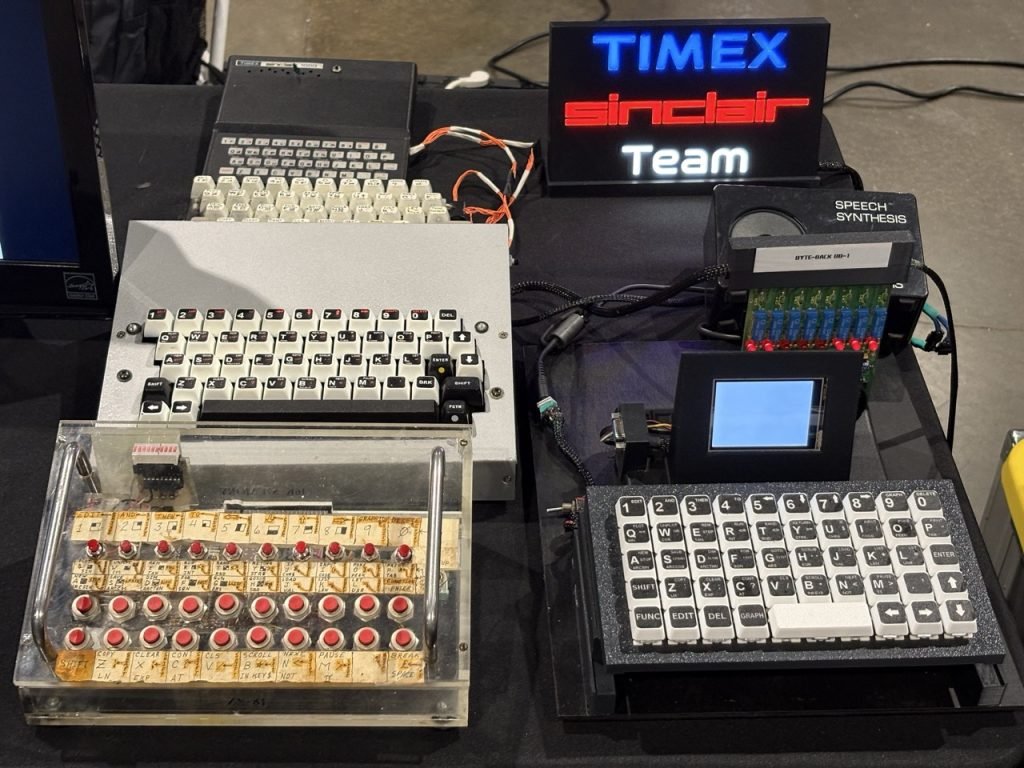
Last in a series on VCF Midwest 21. Part one, part two, part three. The first two pieces in this series were about hardware being designed now. This one is about hardware somebody already built, in some cases forty years ago, by people whose names we mostly do not have.
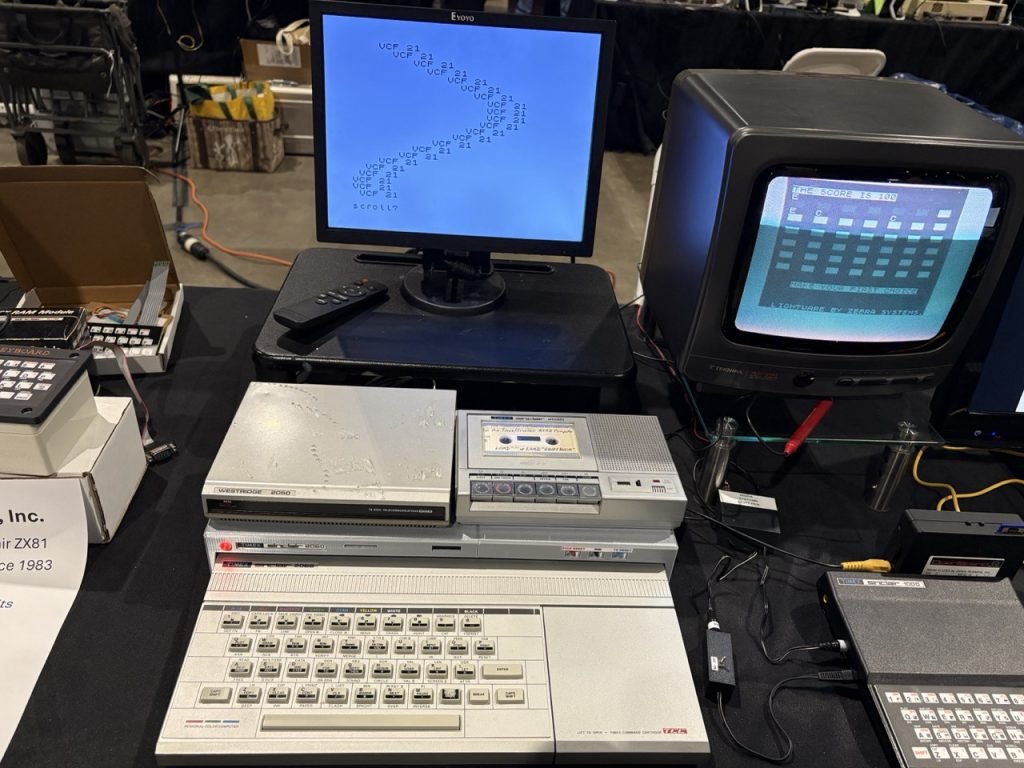
Third in a series on VCF Midwest 21. Part one, part two. The Timex Sinclair 2060 Bus Expansion Unit was not a rumor or a sketch. Timex showed it at the Consumer Electronics Show in Las Vegas in January 1984, priced it at $120, and according to Bill Skyrme, who worked on it, had it through engineering and ready for production.