
“I am attempting to build my own interface from the 2068 to any popular printer, for example, Epson or others. I would like to know if this subject has been addressed in prior issues. If not, would it be possible to request thru a user’s column, some assistance from any of your readers who perhaps have already ‘dabbled’ in this area. My interest in computers leans toward ‘do it yourself construction’, and thus my request. Thank you for your help.”
Robert E. Kern
Rialto, CA
[Editor: Some may say that we have been rather “skimpy” in the area of construction projects. I vote for change right now…this has been one of the most requested columns lately. Anyone out there who wired up their own printer interface, who can assist Mr. Kern?]
“Accolades for you! Sept/Oct ’85 edition of TIME DESIGNS was the best ever…I’d like to hear more about the 128k Spectrum. The single-key commands of Sinclair BASIC are not used on the QL (I understand). Maybe the attraction of the Spectrum has been the use of the command key system. I have no desire for a QL because of the change. I wonder how many others feel the same way. I also wonder how many new 2068 and 1500’s there are left with dealers? Keep up the the fine work.”
Joan Kealy
El Paso, TX
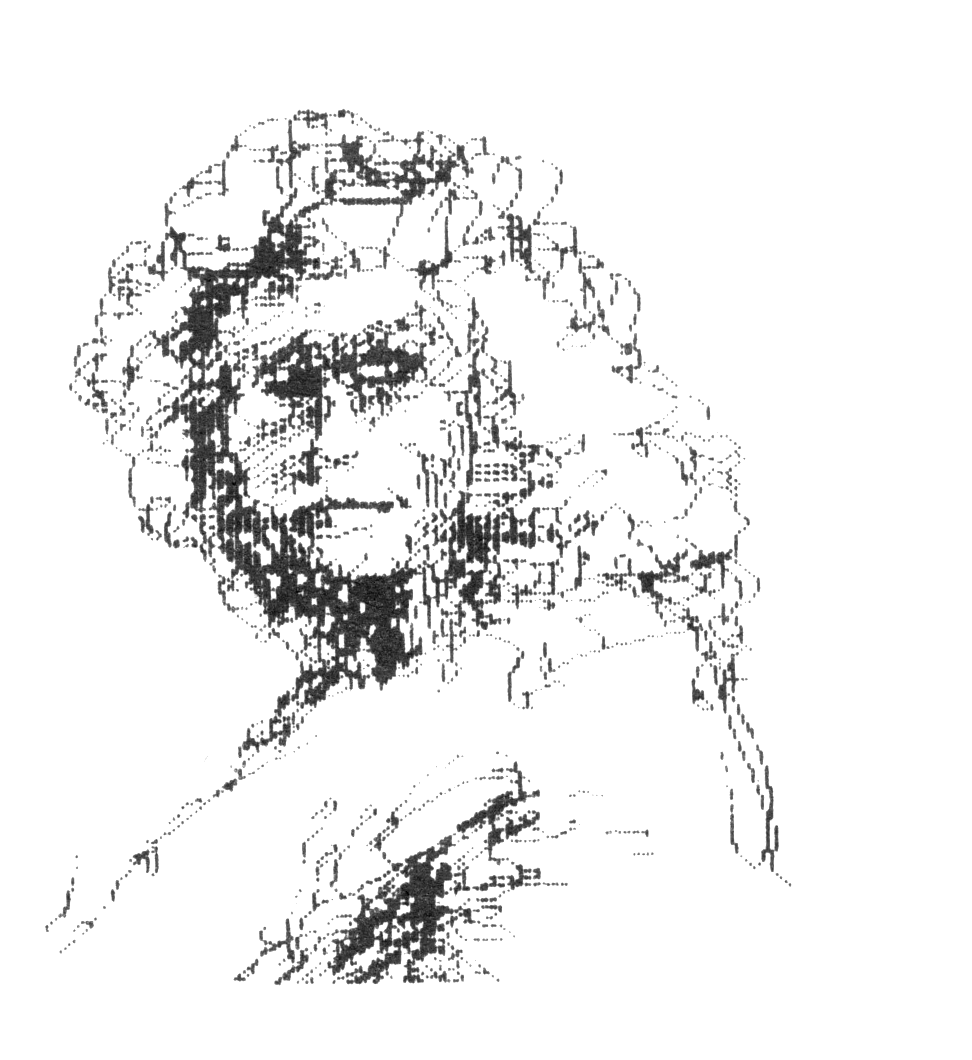
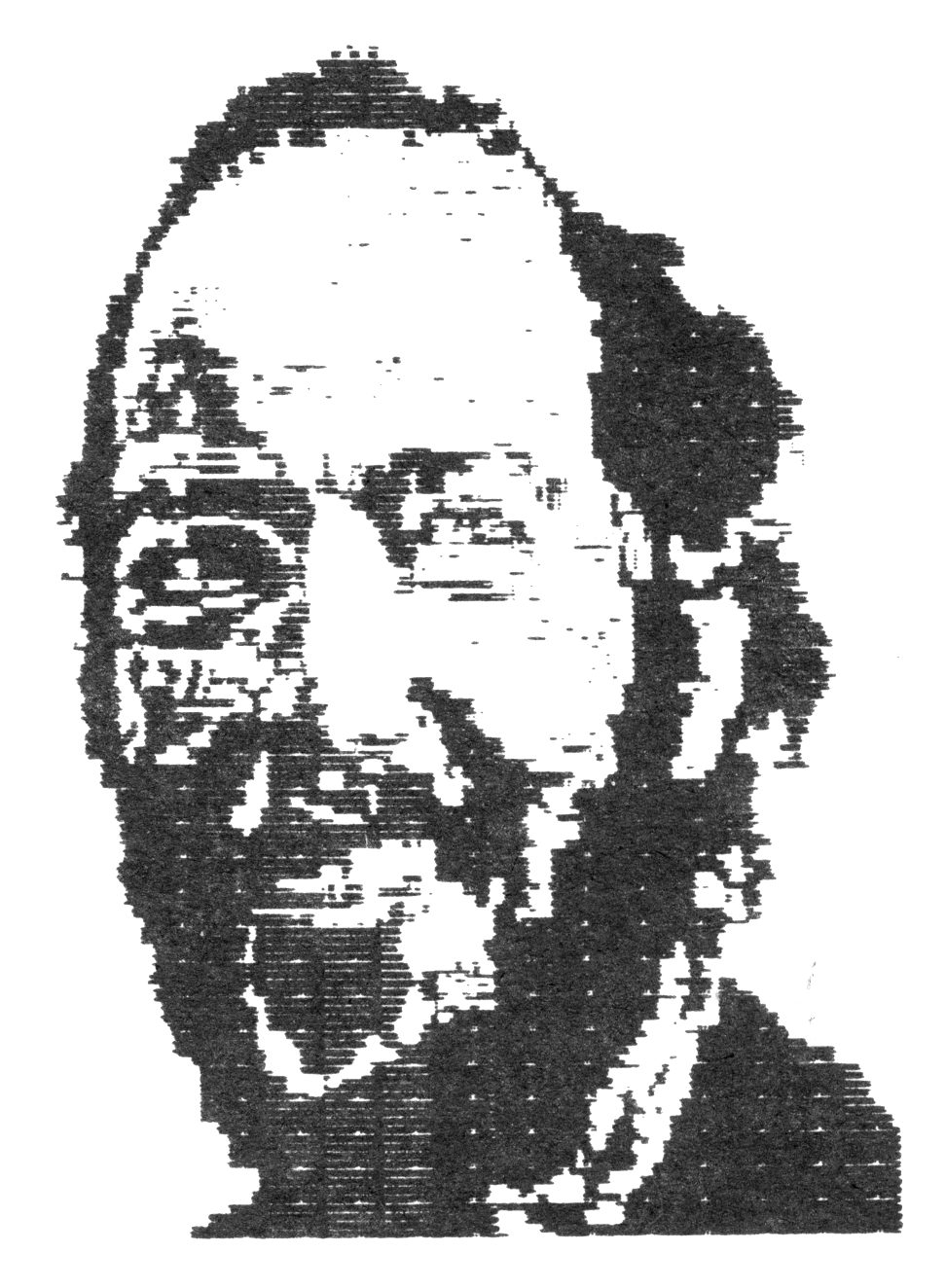
Thanks goes to A. Laviolette of Montreal, Canada for sending his two drawings that were made using the program PABLO PIXEL-O (ZX-81 version), featured in the Sept./Oct. issue of TIME DESIGNS.
“I have now received the first two issues (#5 & #6) of my subscription, and I want to congradulate you for a very fine magazine. Many of us are first time users, and self-taught, and far from any known user groups; so the arrival of each issue is an eagerly anticipated event. The suggestion submitted by Mr. Russell Ochoki to publish a column of programming tips and useful short programs certainly receives my endorsement. I would be particularly interested in the use of system calls. (I have tried in vain to obtain a copy of the T/S 2068 Technical Manual.) For example, it took me quite some time to figure out how to BEEP from machine language. (SOUND was easy.) I am happy to share the following listing. I hope that other readers will find it serviceable.
00395 BEEP     LD   BC,60
00400          LD   D,B
00405          LD   H,D
00410          LD   A,(TIME)
00415          LD   E,A
00420          LD   A,(TONE)
00425          LD   L,A
00430          BIT  7,A
00435          JR   Z,TUNE
00440          DEC  H
00445 TUNE     ADD  HL,BC
00450          PUSH BC
00455          PUSH HL
00460          PUSH DE
00465          CALL 12521
00470          POP  BC
00475          CALL 12521
00480          RST  40
00485          DEFB 1,5,56
00490          POP  BC
00495          CALL 12521
00500          POP  BC
00505          CALL 12521
00510          RST  40
00515          DEFB 3,56
00520          CALL 1078
00525          RET
00530 TIME     DEFB 5      ;60ths
00535 TONE     DEFB 10
All numbers are decimal. The value in (TIME) is in 60ths of a second, so that the longest note you can play with this routine is 4.25 seconds (255/60). Also the restrictions on (TONE) are the same as in the USER MANUAL: This value must be in the range -60 (156) to 69. Numbers 70 to 155 will return report code B.
A typical call of this subroutine may look like this:
;BEEP .1,12
LD   A,6
LD   (TIME),A
RLCA
LD   (TONE),A
CALL BEEP
Before signing off, I would like to thank Michael E. Carver for making his PABLO PIXEL O as instructive as possible…I’m already looking forward to issue no. 7!”
Ron Ruegg
Baton Rouge, LA
[Editor: Well Ron here is issue no. 7 or Vol.2 No.1 to be exact…and its a pleasure to include you as a part of it. Thanks for the listing, I hope that it inspires others to send in their short programs and tips.]
Note: Type-in program listings on this website use ZMAKEBAS notation for graphics characters.